ANS names 2027 Congressional Fellows

August 20, 2026, 3:31PMANS News

Loumis

Lockhart

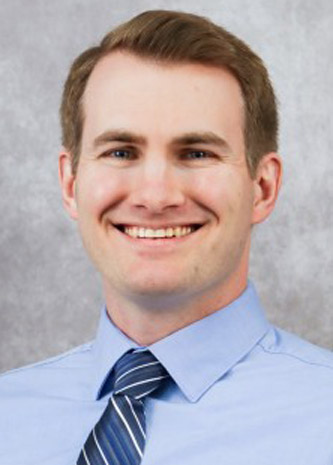
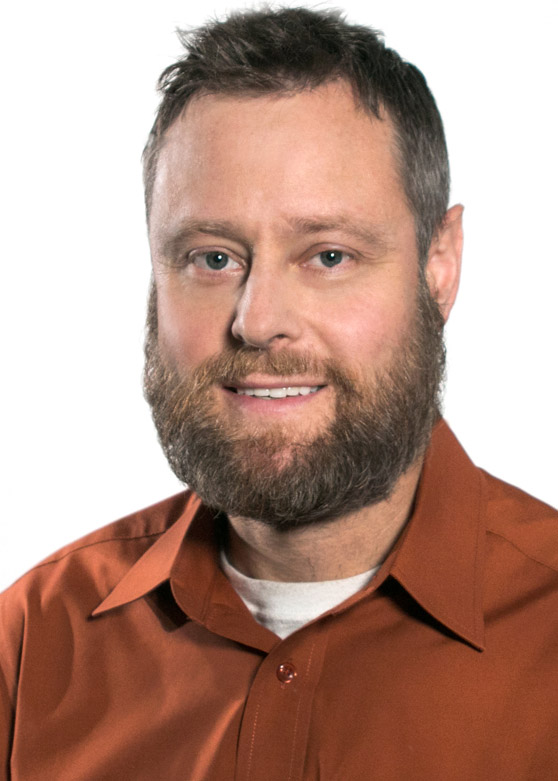
The American Nuclear Society is excited to announce that it has officially selected two of its members to serve as the 2027 Glenn T. Seaborg Congressional Science and Engineering Fellows. Madeline Lockhart and Aristidis Loumis will provide key support to one of the Society’s four strategic pillars of action: informing policymakers to enable better decisions and stronger policies. They will achieve this by serving a one-year term on Capitol Hill either in a congressional member’s personal office or with a congressional committee, starting next January.

Some context: ANS Congressional Fellows are among the nearly 30 scientists and engineers who participate annually in the American Association for the Advancement of Science (AAAS) Congressional Science and Engineering Fellowship Program. More than 2,000 fellows have served through the overarching program since its inception in 1973. ANS initiated its program in 2000, and in 2023, expanded it to host two fellows per year.
2025 Congressional Fellows reflect on their terms

January 13, 2026, 10:52AMANS News
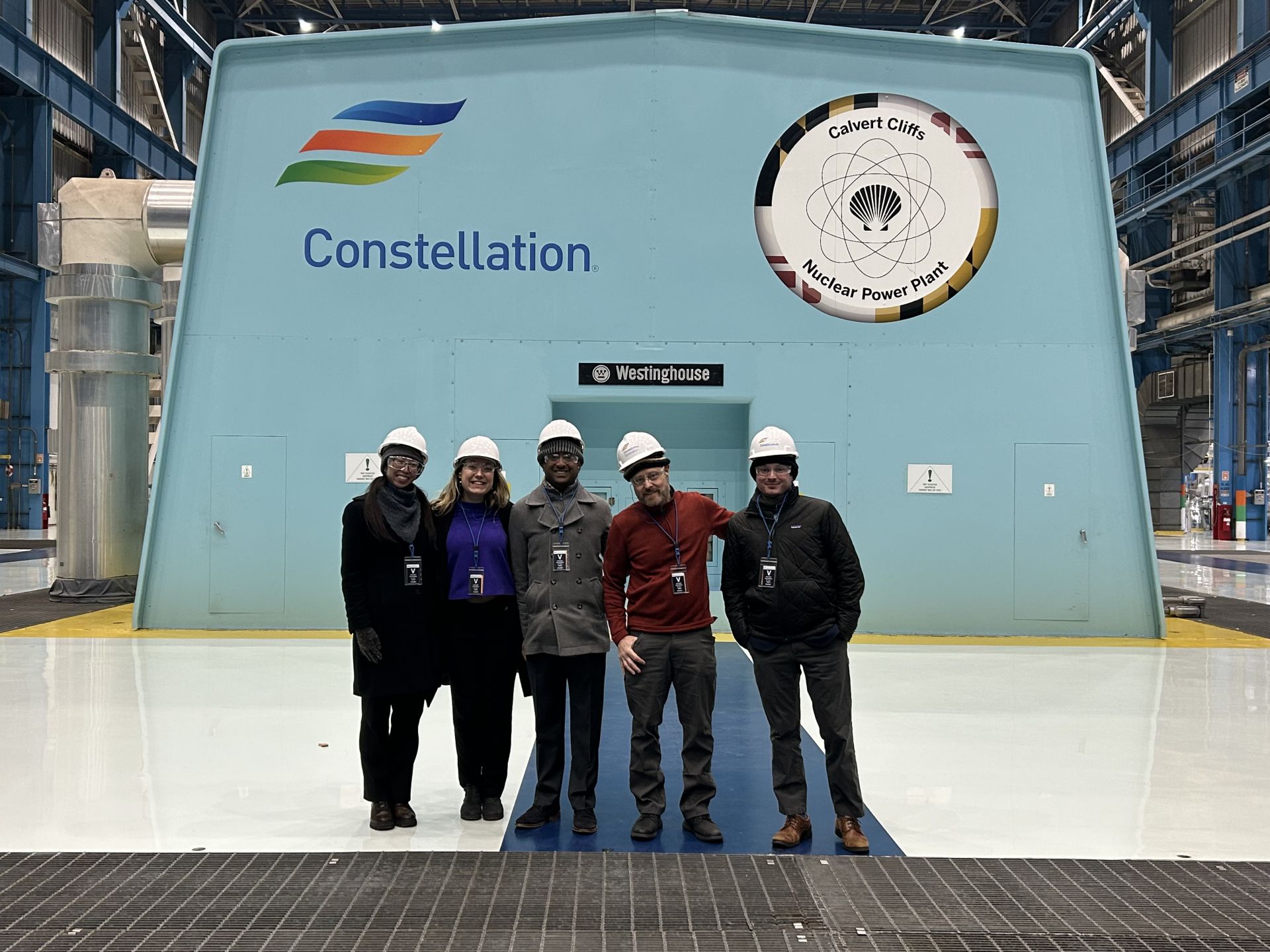
2025 ANS Congressional Fellow Mike Woosley alongside staffers from the Climate Solutions Foundation and the offices of Sens. Coons and Kelly on a tour of Calvert Cliffs.

Each year, the American Nuclear Society awards the Glenn T. Seaborg Congressional Science and Engineering Fellowship to two members. Those recipients then spend a year in Washington, D.C., contributing to the federal policymaking process by working in either a U.S. senator’s or representative’s personal office or with a congressional committee.

It has been nearly six months since the 2025 Congressional Fellows provided their midterm updates on their time on the Hill. Now, as their fellowships draw to their close, Jacob Christensen and Mike Woosley are looking back on what they accomplished, what they learned, and much more.

ANS names 2026 Congressional Fellows

August 5, 2025, 12:11PMANS News

Kasper

Hayes

The American Nuclear Society has officially selected two of its members to serve as its 2026 Glenn T. Seaborg Congressional Science and Engineering Fellows. Alyssa Hayes and Benjamin Kasper will help the Society fulfill its strategic goal of enhancing nuclear policy by working in the halls of Congress, either in a congressional member’s personal office or with a committee, starting next January.

“The Congressional Fellowship program has put ANS in a unique position to provide significant technical assistance to Congress on nuclear science, energy, and technology, with great results,” said Congressional Fellowship Special Committee chair Harsh Desai, himself a former Congressional Fellow. “This once-in-a-lifetime professional development opportunity will allow them to learn the art of policymaking and potentially pursue it as part of their careers beyond the fellowship.”

Midterm updates from 2025 ANS Congressional Fellows

August 4, 2025, 9:31AMANS News

Christensen

Woosley

Mike Woosley and Jacob Christensen, the 2025 recipients of the American Nuclear Society’s Glenn T. Seaborg Congressional Science and Engineering Fellowship, are now more than halfway through their stints on the Hill. Their fellowships will draw to a close in December.

To update the Society on what they have accomplished in Washington, D.C., so far, Woosley and Christensen recently gave Nuclear News a midterm update on which offices they ended up in and what they hope to do with their remaining time in the Capitol.

ANS Congressional Fellowship applications due

May 29, 2025, 3:20PMANS News

Applications for the American Nuclear Society’s Glenn T. Seaborg Congressional Science and Engineering Fellowship are due June 6. ANS will be sponsoring two Fellows for the 2026 term, both of whom will be selected in July and will each receive a stipend of $95,000. The term of the fellowship will run from January to December 2026.

ANS encourages interested members to apply. Application instructions can be found here.

Applications open for 2026 ANS Congressional Fellowship

May 8, 2025, 11:59AMANS News

The American Nuclear Society’s Glenn T. Seaborg Congressional Science and Engineering Fellowship application process is open, and ANS strongly encourages interested members to apply.

ANS Congressional Fellows can directly contribute to the federal policymaking process, working in either a U.S. senator’s or representative’s personal office or with a congressional committee. They are responsible for supplying Congress with their expertise in nuclear science and technology, having a hand in the creation of new laws while gaining a deeper understanding of the legislative process.

ANS Congressional Fellowship applications due

April 4, 2025, 12:01PMANS News

Applications for the Society’s Glenn T. Seaborg Congressional Science and Engineering Fellowship will be closing soon. Congressional Fellows can directly contribute to the federal policymaking process, working in either a U.S. senator’s or representative’s personal office or with a congressional committee. They will be responsible for supplying Congress with their expertise in nuclear science and technology, having a hand in the creation of new laws while gaining a deeper understanding of the legislative process.

ANS Congressional Fellowship open for applications

February 20, 2025, 3:01PMANS News

The American Nuclear Society has opened applications for the Glenn T. Seaborg Congressional Science and Engineering Fellowship. Congressional Fellows can directly contribute to the federal policymaking process, working in either a U.S. senator’s or representative’s personal office or with a congressional committee. They will be responsible for supplying Congress with their expertise in nuclear science and technology, having a hand in the creation of new laws while gaining a deeper understanding of the legislative process.

ANS strongly encourages interested members to apply. Application instructions can be found here.

The SNAP-10A reactor power system

April 10, 2024, 9:31AMNuclear NewsJeremy Hampshire
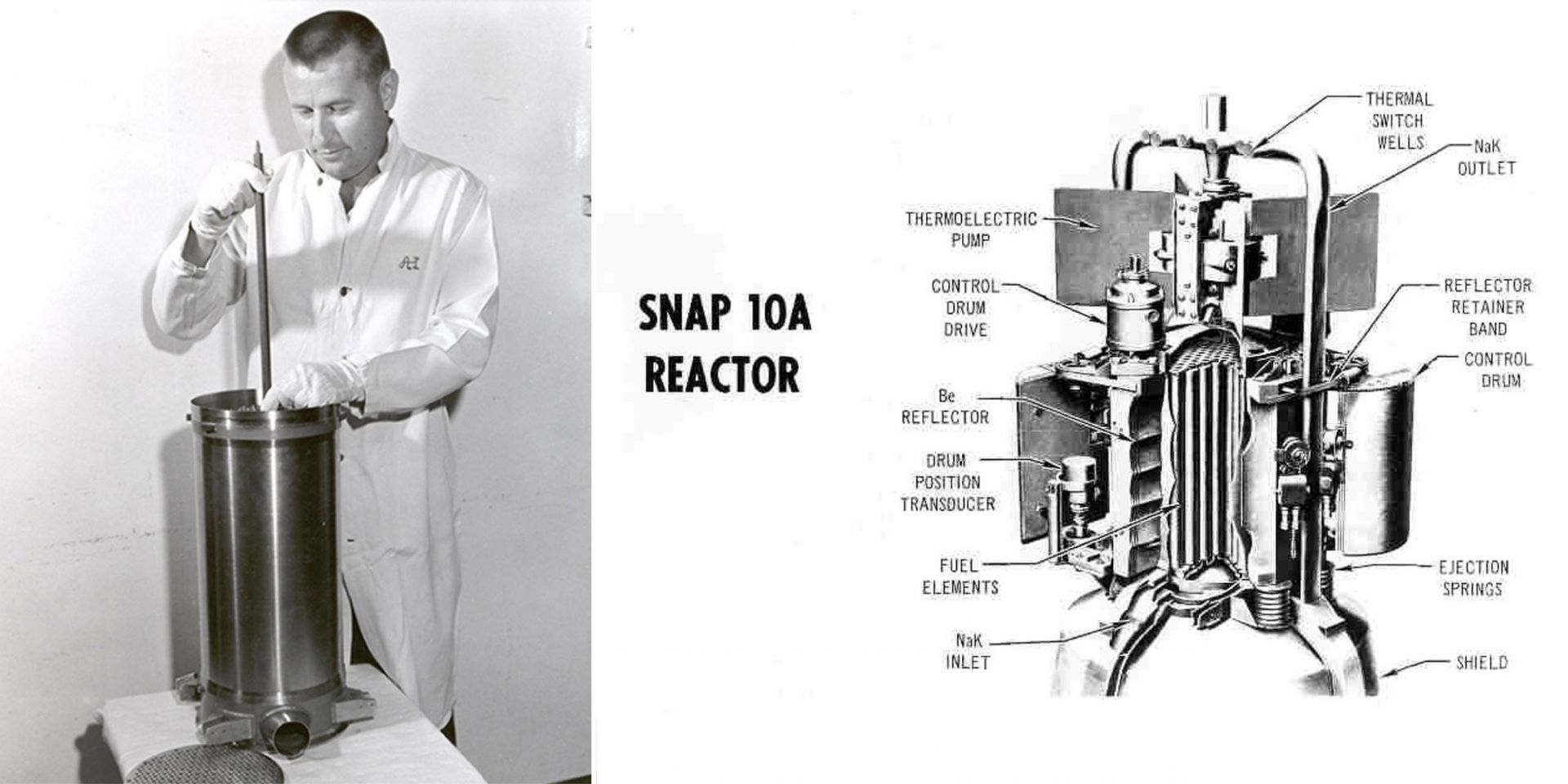
Left: A technician inserts a steel tube containing fuel into the SNAP-10A reactor core vessel. (Photo: DOE) Right: A cross-section view of the reactor. (Image: DOE)

Systems for Nuclear Auxiliary Power (SNAP) was an Atomic Energy Commission program with the goal of producing a portable and dependable power source centered around nuclear technology that could be utilized in land, sea, and space applications. The program aimed to provide a compact reactor—a necessity for space applications—and ran from 1955 until 1973, when it was discontinued.